
 EN
EN
 AR
AR
 BG
BG
 HR
HR
 CS
CS
 DA
DA
 NL
NL
 FR
FR
 DE
DE
 IT
IT
 JA
JA
 KO
KO
 NO
NO
 PL
PL
 PT
PT
 RO
RO
 RU
RU
 ES
ES
 SV
SV
 TL
TL
 ID
ID
 LT
LT
 HU
HU
 TH
TH
 TR
TR
 FA
FA
 AF
AF
 MS
MS
 GA
GA
 BE
BE
 IS
IS
 MK
MK
 BN
BN
 BS
BS
 MN
MN
 KK
KK
 LB
LB
 FY
FY
 XH
XH

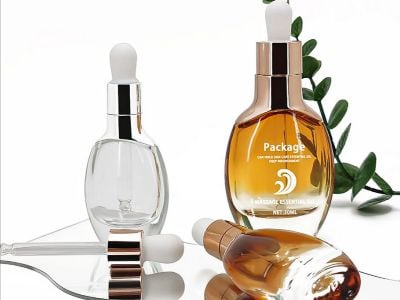
Stable Serum Droppers are vital components in the cosmetics industry, designed specifically to dispense serum products effectively. Buyers, such as purchasing managers and product managers, often face challenges in selecting the right dropper for their formulations, ensuring compatibility with various products, and assessing the quality and functionality of these droppers. This article will provide insights into choosing the right serum dropper, key specifications to evaluate, installation guidance, common issues and solutions, as well as the applications of stable serum bottles within the cosmetics industry.
How to Choose the Right Stable Serum Dropper for Wholesale Orders?
When selecting stable serum droppers for wholesale orders, consider several key factors that can influence both product performance and customer satisfaction. First, determine the intended application of the serum to ensure compatibility with the formulation. For instance, if the serum contains active ingredients sensitive to light or air, a dropper with an opaque or airtight design may be necessary.
Next, evaluate the material of the dropper. Common materials include glass and plastic, each with distinct benefits. Glass Dropper bottle are preferred for premium products because they offer better chemical resistance and a more luxurious feel, while plastic droppers are lightweight and less fragile, making them suitable for bulk distribution.
Buyers should also consider the dropper's design features, such as the size of the dropper tip, which can affect dosage accuracy. For wholesale orders, ensure that the manufacturer can meet your minimum order quantity (MOQ) and provide customization options, such as color and branding. Lastly, confirm lead times and shipping conditions to align with your production schedule.
Key Specifications to Evaluate When Sourcing Serum Droppers
When sourcing serum droppers, several specifications should be meticulously evaluated to ensure they meet the required standards for quality and functionality:
Material Composition: Verify if the dropper is made from materials that are compatible with the serum's chemical properties. For example, certain plastics may leach chemicals that can alter the serum's effectiveness.
Capacity: The size of the dropper should correspond to the volume of serum being dispensed. Common capacities range from 1 mL to 5 mL, and suppliers should provide information on how the dropper’s capacity aligns with your product requirements.
Seal Integrity: Check for sealing mechanisms that prevent leakage and contamination. A dropper with a silicone or rubber gasket can provide an airtight seal, crucial for maintaining serum stability.
Dispensing Mechanism: The mechanism should allow for precise control over the serum flow. Whether using a squeeze bulb or a pipette-style dropper, the mechanism affects user experience and dosage accuracy.
Dimensional Specifications: Measure the dropper's dimensions, including length and diameter, to ensure compatibility with the intended packaging. Droppers should fit snugly within serum droppers or jars, preventing movement that could lead to damage.
Quality Standards: Inquire about the manufacturer’s quality control processes and whether the products meet industry regulations. Certifications related to safety and quality can provide peace of mind regarding the dropper's reliability.
Installation Guidance for Using Stable Serum Droppers Effectively
Proper installation of stable serum droppers is crucial for ensuring they function optimally. Here are steps to guide users in effectively utilizing serum droppers:
Preparation: Before installation, ensure that the dropper and the container are clean and free from contaminants. This step is essential to maintain serum quality.
Fitting the Dropper: Align the dropper with the opening of the serum container and gently press it into place. If using a glass dropper, apply consistent pressure to avoid breakage.
Testing the Mechanism: Once installed, test the dropper to ensure it operates smoothly. Squeeze the bulb or press the dispensing mechanism to check for any leaks or irregularities in the flow.
User Instructions: Provide clear user instructions for effective operation. This could include guidelines on how to dispense the serum accurately and how to store the product to maintain dropper integrity.
Maintenance: Advise users on the importance of regular cleaning to prevent clogs and ensure the dropper remains functional over time. Recommend solutions that are compatible with the serum.
Common Issues with Serum Droppers and Reliable Solutions
Several common issues may arise with serum droppers during use, and being prepared with solutions can enhance customer satisfaction:
Leakage: This is often caused by improper sealing or damage during installation. To address leakage, ensure that the dropper is correctly fitted and that the sealing components are intact. Conduct quality checks on samples before mass production to identify any potential issues.
Clogging: Clogging can occur if the serum contains thick or particulate ingredients. To mitigate this, recommend droppers with wider openings or filters to prevent blockages.
Inconsistent Dispensing: If users experience variations in dosage, it may be due to air bubbles in the dropper or a faulty dispensing mechanism. Encourage users to prime the dropper by squeezing and releasing it a few times before use to eliminate air pockets.
Material Degradation: Over time, some materials may degrade, especially if exposed to harsh conditions. Advise customers on appropriate storage conditions and recommend testing alternative materials if degradation occurs.
User Error: Sometimes, issues may stem from improper use. Providing comprehensive user guides can help minimize user-related errors and improve the overall experience.
Exploring Applications of Stable Serum Droppers in the Cosmetics Industry
Stable serum droppers are pivotal in the cosmetics industry, particularly for dispensing various types of products, including serums, oils, and essences. Their applications extend to several areas:
Skincare Products: Many skincare brands utilize serum droppers to dispense concentrated formulations, allowing for precise application. This is especially important for serums that contain active ingredients, where dosage accuracy can significantly affect efficacy.
Makeup: In the makeup sector, droppers are used for liquid highlighters or foundations, enabling users to mix products or apply them directly to the skin with ease.
Essential Oils: The aromatherapy industry relies on serum droppers for dispensing essential oils, where precise measurements are vital for achieving desired blends.
Health and Wellness Products: Beyond cosmetics, serum droppers are increasingly used in supplements and wellness products, allowing for easy administration of liquid vitamins and minerals.
Customization Opportunities: With various customization options available, brands can create a unique user experience through design choices, from color to branding, enhancing product appeal.
By understanding the specifications, installation, common issues, and applications associated with stable serum droppers, buyers can make more informed purchasing decisions that align with their product offerings. Whether for premium skincare or functional wellness products, partnering with a reliable manufacturer like Guangzhou Huiyu Packaging Co., Ltd. ensures access to high-quality packaging solutions tailored to the cosmetics industry's needs.
Table of Contents
- How to Choose the Right Stable Serum Dropper for Wholesale Orders?
- Key Specifications to Evaluate When Sourcing Serum Droppers
- Installation Guidance for Using Stable Serum Droppers Effectively
- Common Issues with Serum Droppers and Reliable Solutions
- Exploring Applications of Stable Serum Droppers in the Cosmetics Industry