
 EN
EN
 AR
AR
 BG
BG
 HR
HR
 CS
CS
 DA
DA
 NL
NL
 FR
FR
 DE
DE
 IT
IT
 JA
JA
 KO
KO
 NO
NO
 PL
PL
 PT
PT
 RO
RO
 RU
RU
 ES
ES
 SV
SV
 TL
TL
 ID
ID
 LT
LT
 HU
HU
 TH
TH
 TR
TR
 FA
FA
 AF
AF
 MS
MS
 GA
GA
 BE
BE
 IS
IS
 MK
MK
 BN
BN
 BS
BS
 MN
MN
 KK
KK
 LB
LB
 FY
FY
 XH
XH

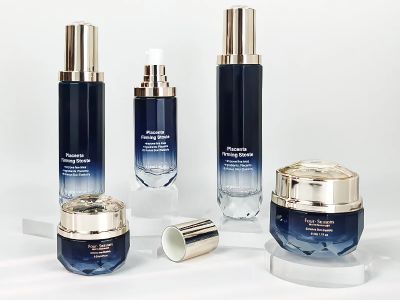
Understanding the testing standards for foundation pump bottle springs is crucial for ensuring product reliability and performance, particularly in the cosmetics industry. Buyers often seek assurance that the components they select meet specific quality benchmarks to avoid costly production issues or product failures. This article will delve into the essential testing standards, supplier selection criteria, key specifications for testing, cost considerations in production, and best practices for installation to help purchasing managers and product managers make informed decisions.
What Testing Standards Guarantee Quality for Foundation Pump Bottles?
Testing standards for foundation pump bottle springs focus on various aspects, including material integrity, durability, and performance under typical usage conditions. Commonly referenced standards include ISO 9001 for quality management systems, which emphasizes continuous improvement and customer satisfaction. Additionally, specific tests like tensile strength and fatigue resistance are crucial to ensure that the springs can withstand repeated use without failure.
For instance, a spring must be tested to ensure it can handle the pressure of the liquid being dispensed without deforming or breaking. Buyers should also look for compliance with FDA regulations, especially for products in the cosmetics sector, to ensure safety and compatibility with various formulations. Regular quality checks during production and prior to shipment can further validate that the springs meet these standards.
How to Choose Reliable Suppliers for Foundation Pump Bottle Springs?
Selecting a reliable supplier for foundation pump bottle springs involves assessing several key factors. First, buyers should look for suppliers with proven expertise in manufacturing high-quality packaging components. This can be gauged through customer reviews, case studies, and their history of servicing the cosmetics industry.
Additionally, suppliers should be transparent about their testing processes and quality control measures. A good practice is to request samples to evaluate the spring's performance firsthand before committing to larger orders. It's also beneficial to confirm the supplier's production capacity and lead times to ensure they can meet your demand without delays. Certifications like ISO 9001 and adherence to relevant testing standards can further reinforce a supplier’s credibility.
Key Specifications for Foundation Pump Bottle Spring Testing Standards
When evaluating the specifications for foundation pump bottle springs, buyers should consider several technical parameters:
Material Composition: Stainless steel is often preferred due to its corrosion resistance and strength. The choice of material can significantly affect the spring's longevity and performance.
Dimensions: The diameter and length of the spring are crucial to ensure proper fit within the pump mechanism. Incorrect dimensions can lead to malfunction during operation.
Tensile Strength: This measures the maximum load the spring can bear before failing. It’s essential to ensure that the spring can handle the pressure of the fluid being dispensed.
Fatigue Resistance: Springs are subjected to repeated stress during use. Testing for fatigue resistance will help ensure they can endure daily operations without degrading.
Surface Treatment: A surface treatment can enhance the spring’s resistance to environmental factors like humidity and chemicals found in cosmetics.
Understanding these specifications helps buyers select the right foundation pump bottle that meet their product requirements and ensure optimal performance.
Understanding the Cost Factors in Foundation Pump Bottle Production
Cost factors in the production of foundation pump bottles with springs can vary significantly based on several elements. Key considerations include:
Material Costs: The choice of materials directly impacts the overall production cost. Higher quality materials may lead to higher upfront costs but can save money in the long run through enhanced durability.
Manufacturing Processes: The type of machinery used can influence production efficiency. Automated processes may require a higher initial investment but can reduce labor costs and increase output.
Order Volume: Many manufacturers offer tiered pricing based on order size. While a higher quantity can reduce the per-unit cost, buyers must balance this with their actual demand to avoid excess inventory.
Customization Requirements: Customized designs or modifications may incur additional costs. Buyers should clearly communicate their needs upfront to receive accurate quotes and avoid surprises later in the process.
Lead Times: Shorter lead times can sometimes result in higher costs. Planning ahead can help manage expenses while ensuring timely delivery.
Understanding these factors enables buyers to budget effectively and make informed decisions when sourcing foundation cosmetic pump bottles springs.
Best Practices for Installing Foundation Pump Bottles in Projects
Proper installation of foundation pump bottles is critical to ensure optimal performance and longevity. Here are some best practices:
Pre-Installation Inspection: Before installation, conduct a thorough inspection of the components, including the pump bottle and spring, to check for any defects or inconsistencies.
Follow Manufacturer Guidelines: Always refer to the manufacturer's installation instructions. This ensures that the components are assembled correctly and function as intended.
Ensure Compatibility: Confirm that the spring is compatible with the pump bottle design. Misalignment can lead to ineffective dispensing and potential product leakage.
Test After Installation: Once installed, perform a test run to ensure that the pump functions smoothly. Check for any signs of resistance or failure during operation, which could indicate an installation issue.
Regular Maintenance: Schedule regular maintenance checks to ensure continued performance. This may include cleaning the components and checking for wear and tear.
By adhering to these best practices, buyers can minimize the risk of operational issues and enhance the overall reliability of their foundation pump bottles.
This comprehensive understanding of testing standards, supplier selection, key specifications, cost factors, and installation practices will empower B2B buyers in the cosmetics industry to make informed decisions regarding foundation glass cosmetic pump bottle, ultimately enhancing product quality and customer satisfaction.
Table of Contents
- What Testing Standards Guarantee Quality for Foundation Pump Bottles?
- How to Choose Reliable Suppliers for Foundation Pump Bottle Springs?
- Key Specifications for Foundation Pump Bottle Spring Testing Standards
- Understanding the Cost Factors in Foundation Pump Bottle Production
- Best Practices for Installing Foundation Pump Bottles in Projects