
 EN
EN
 AR
AR
 BG
BG
 HR
HR
 CS
CS
 DA
DA
 NL
NL
 FR
FR
 DE
DE
 IT
IT
 JA
JA
 KO
KO
 NO
NO
 PL
PL
 PT
PT
 RO
RO
 RU
RU
 ES
ES
 SV
SV
 TL
TL
 ID
ID
 LT
LT
 HU
HU
 TH
TH
 TR
TR
 FA
FA
 AF
AF
 MS
MS
 GA
GA
 BE
BE
 IS
IS
 MK
MK
 BN
BN
 BS
BS
 MN
MN
 KK
KK
 LB
LB
 FY
FY
 XH
XH

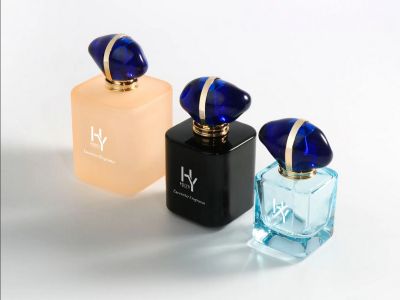
In the competitive landscape of the cosmetics industry, selecting the right packaging for perfumes is crucial. This article explores the Top 5 Perfume Bottle Manufacturers, highlighting essential specifications, common problems, cost factors, applications, and safety guidelines. Buyers, including purchasing managers and product managers, often have specific concerns about quality, compatibility, and customization. Understanding these aspects will help you make informed decisions when sourcing Glass perfume bottles.
Essential Specifications for Wholesale Perfume Bottle Orders
When ordering perfume bottles in bulk, several specifications must be considered to ensure the product meets market needs. Key dimensions include Refillable perfume bottle height, diameter, and capacity, which directly affect the product’s appeal and usability.
Material choice is also critical; glass bottles are popular for their premium feel and barrier properties, while plastic options offer durability and lower shipping costs. The finish, such as frosted or glossy, impacts aesthetics and branding. Buyers should also confirm the closure type—considering options like sprayers, droppers, or screw caps since this affects the user experience and product preservation.
It’s important to address the minimum order quantity (MOQ) and production capacity, as these factors influence pricing and lead times. Customization capabilities, such as color, printing, and embossing, should also be discussed to align the final product with branding requirements.
Common Problems with Perfume Bottles and Effective Solutions
In the manufacturing process of perfume bottles, several common issues can arise. One frequent problem is leakage, often caused by improper sealing or poorly designed closures. To mitigate this, ensure that the Beautiful perfume bottles and its closure are designed to work together harmoniously. Testing finished samples for proper fit and sealing before mass production can prevent this issue.
Another concern is scratches or defects on the bottle surface. This can happen during handling or transportation. Implementing a stringent quality control process, including inspections at multiple production stages, can help identify and rectify defects early on.
Compatibility with filling equipment is also crucial. Bottles must be designed to work seamlessly with the filling lines to prevent operational disruptions. Buyers should request samples and conduct trials to ensure the selected bottle fits the existing machinery.
Cost Factors to Consider When Sourcing Perfume Bottles
When evaluating the cost of sourcing perfume bottles, several factors come into play. Material costs significantly affect the overall price; glass typically incurs higher costs than plastic due to its weight and fragility. However, glass often enhances the perceived value of the product, making it worthwhile for premium brands.
Customization can also impact pricing. Unique designs, colors, and printing will increase costs, so it’s essential to balance aesthetics with budget constraints. Additionally, consider the MOQ, as ordering larger quantities may reduce the per-unit price but requires upfront investment.
Shipping costs are another critical factor, particularly for glass bottles, which can be heavier and more fragile than plastic alternatives. Evaluating shipping options and potential tariffs for international orders can further influence the final cost.
Applications of Perfume Bottles in the Cosmetics Industry
Perfume bottles serve not only as containers but also as crucial branding tools within the cosmetics industry. The choice of packaging can influence consumer perception and brand identity. For instance, high-end brands often opt for elegant glass bottles with intricate designs to reflect luxury, while mass-market products may prioritize cost-effective plastic packaging.
Beyond fragrances, these bottles can also be designed for specialized applications, such as travel-sized versions that meet airline regulations or eco-friendly options aimed at environmentally conscious consumers. Understanding the target market and application can guide buyers in selecting the most appropriate packaging solutions.
Guidelines for Installing and Using Perfume Bottles Safely
To ensure the safe use of perfume bottles, both during installation and usage, adhere to the following guidelines. First, ensure that bottles are handled with care during transportation and storage to prevent breakage, especially with glass products. Use protective packaging during shipping and always inspect bottles upon arrival for any damage.
When installing dispensing mechanisms, such as sprayers or droppers, ensure they are compatible with the bottle design to prevent leaks or malfunctions. It’s also essential to educate staff on handling procedures to minimize accidents.
Finally, advise end-users on the proper storage of perfume bottles. They should be kept away from direct sunlight and extreme temperatures to preserve the fragrance and packaging integrity. Implementing these safety measures can help maintain product quality and reduce returns due to damage or defects.
By understanding the complexities of sourcing perfume bottles, from specifications to safety, buyers can make informed decisions that enhance their product offerings and brand reputation.